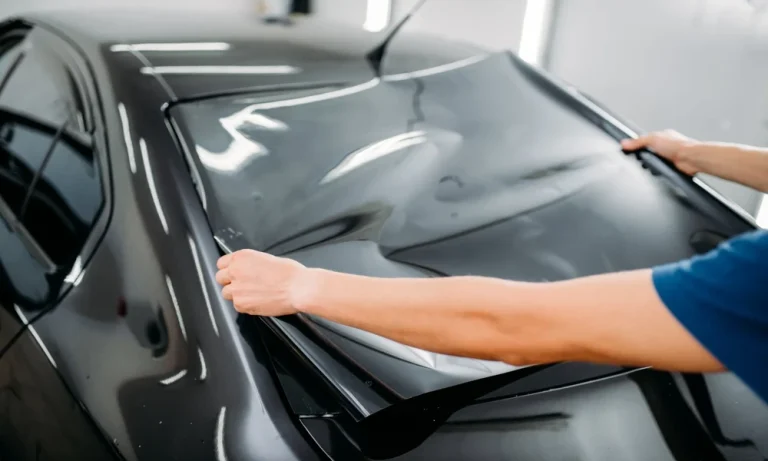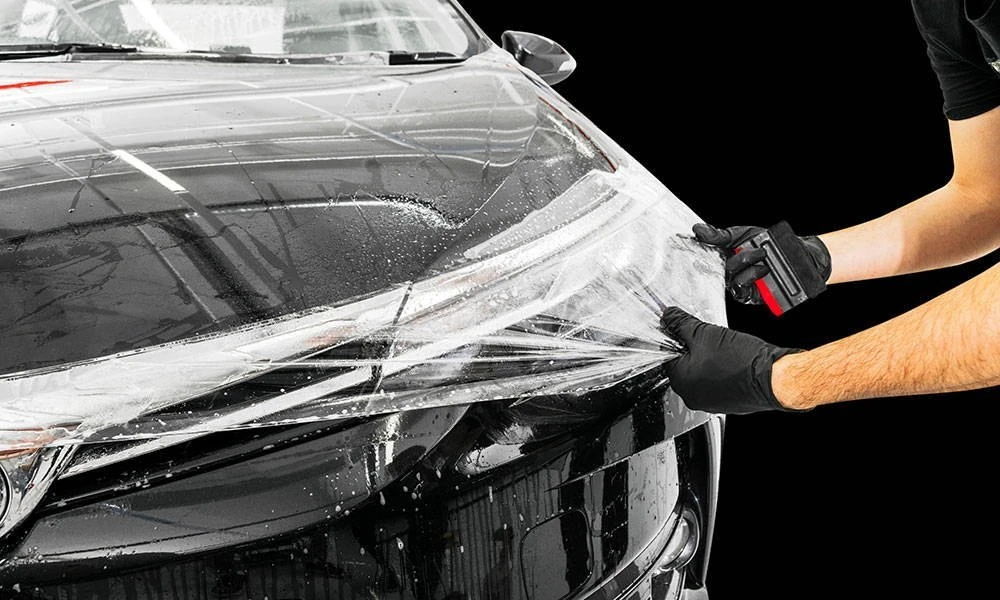

A well-kept automotive finish has always been difficult to preserve. Even careful drivers face loose gravel, road debris, insects, tree sap, weather exposure, and countless minor abrasions that gradually change the appearance of painted panels. Modern paint protection film offers a practical answer, creating a nearly invisible barrier between the road and the vehicle’s original finish.
Yet choosing the best PPF is not simply a matter of finding the thickest film or selecting the most familiar name. Material quality, optical clarity, adhesive performance, surface technology, installation technique, and long-term durability all influence how well a film performs. For drivers who want protection without noticeably changing the appearance of their vehicle, understanding these factors makes the buying decision considerably easier.
Why Modern Paint Protection Film Has Become So Refined
Early generations of protective automotive film were primarily functional. They could reduce stone chips, but some products developed noticeable edges, discoloration, or surface texture over time. Modern PPF has evolved substantially.
Most premium films are manufactured from thermoplastic polyurethane, commonly called TPU. This material is flexible enough to conform around curved automotive panels while remaining strong enough to absorb the impact of small stones and everyday road debris.
The construction of the film is more sophisticated than it initially appears. A quality product combines the protective polyurethane layer with a carefully engineered adhesive and a surface coating designed to resist contamination and minor scratching. These layers must work together without reducing transparency.
That balance is especially important on glossy vehicles. Owners generally want protection that preserves the original depth, reflection, and character of the paint rather than covering it with an obvious plastic layer.
Optical Clarity Should Be a Priority
A protective film can perform well mechanically and still disappoint visually. Optical clarity is therefore one of the most important qualities to consider when comparing PPF.
High-quality clear film should allow the underlying paint to retain its natural color and gloss. On darker vehicles in particular, lower-grade products may reveal subtle haze, texture, or distortion under strong sunlight or garage lighting.
The surface texture sometimes described as “orange peel” can also influence appearance. Automotive paint itself may have some texture, but excessive texture in the film can soften reflections and make an otherwise polished finish look slightly uneven.
Good PPF should disappear visually from normal viewing distances. While edges may occasionally be visible depending on the installation method and panel shape, the main protected surface should retain a clean, factory-like appearance.
Self-Healing Technology Helps Maintain the Surface
One of the most useful advances in modern paint protection film is self-healing technology.
The topcoat on many premium films can recover from light swirl marks and superficial scratches when exposed to heat. Warm sunlight may be sufficient in some cases, while installers or vehicle owners can sometimes use controlled warm water to encourage the surface to return to its original state.
This feature does not mean the material repairs every type of damage. A deep cut that penetrates the film will not simply disappear. Self-healing technology is primarily intended for lighter surface marks caused by washing, drying, or routine contact.
Even within those limitations, the feature can make a substantial difference over several years. A film that maintains a smooth surface is far more likely to continue looking nearly invisible than one that gradually accumulates fine scratches.
Resistance to Yellowing Matters Over Time
Clear automotive film spends its life exposed to sunlight, heat, rain, road contamination, and cleaning products. Poor-quality materials can become discolored as they age.
Yellowing is particularly noticeable on white, silver, and other light-colored vehicles. A slightly tinted film may be difficult to notice on the day of installation but become increasingly obvious as the material ages.
Reputable manufacturers formulate modern TPU films and topcoats to resist UV-related discoloration. Warranty coverage can also provide useful clues about how confidently a manufacturer expects its film to perform.
Still, warranty duration should not be viewed in isolation. Owners should also consider what the warranty actually covers and whether installation requirements affect eligibility.
Hydrophobic Properties Can Simplify Maintenance
Many contemporary PPF products incorporate hydrophobic surface properties. Water tends to bead and move away from the surface more easily, while some dirt and contamination become less likely to bond strongly to the film.
This does not make a protected car maintenance-free. Vehicles still require regular washing, and contaminants such as bird droppings, insects, sap, and road grime should not be allowed to remain indefinitely.
A good topcoat can, however, make routine cleaning easier. It may also reduce the amount of aggressive scrubbing required, which is beneficial because gentler maintenance helps both the film and surrounding surfaces remain attractive.
Drivers should continue using appropriate automotive wash products and soft microfiber materials. Strong solvents or abrasive polishing compounds should only be used when the film manufacturer or installer confirms that they are compatible.
Film Thickness Is Only One Part of Protection
Thickness is frequently used when comparing paint protection films, but it should not become the sole purchasing criterion.
A reasonably thick film can provide valuable impact protection, particularly on vulnerable areas such as the front bumper, hood, fenders, mirror caps, and rocker panels. However, material composition, flexibility, elasticity, adhesive quality, and topcoat performance are equally important.
An extremely thick product that cannot conform properly to complex panels may create installation challenges. Likewise, thickness alone says little about optical quality or resistance to staining.
The best PPF products achieve a practical balance: enough material to absorb everyday impacts while remaining flexible, visually clear, and manageable during professional installation.
Adhesive Quality Determines More Than Initial Bonding
The adhesive underneath PPF performs a demanding job. It must hold securely to painted surfaces without creating visible distortion, bubbles, or unnecessary texture.
At the same time, professional installers need enough flexibility during application to position and stretch the material correctly. An overly aggressive adhesive can make installation difficult, while a weak adhesive may eventually contribute to lifting edges.
Long-term removability also matters. One advantage of professionally installed quality PPF is that it can generally be removed from properly cured factory paint when replacement becomes necessary. Removal should nevertheless be handled carefully, particularly after the film has remained on the vehicle for many years.
This is another reason why selecting established film technology and an experienced installer is more important than choosing solely on price.
Installation Quality Can Make or Break the Result
Even an excellent film can look disappointing when poorly installed.
PPF application requires a remarkably clean working environment. Dust or contamination trapped underneath the material may remain visible after installation. Complex body panels also require skill because the installer must stretch and position the film without producing tension marks or distorted surfaces.
Edge treatment is another sign of installation quality. Where panel geometry allows, installers may wrap film around edges to create a more seamless appearance. Other areas may require precisely cut edges because of the shape or construction of the panel.
Computer-cut patterns are widely used in professional shops and can reduce the need for cutting directly on the vehicle. Skilled installers understand when patterns should be modified and how to manage difficult areas around badges, sensors, vents, and trim.
For that reason, buyers comparing PPF options should evaluate the installer as seriously as the film itself.
Full Vehicle Protection Is Not Always Necessary
Paint protection film can cover an entire vehicle, but many owners choose targeted coverage instead.
The front bumper and leading section of the hood are obvious high-impact areas. Full-front packages commonly extend protection to the hood, front fenders, mirror caps, and other surfaces that regularly encounter road debris.
Drivers who spend significant time on highways may find broader coverage worthwhile. Rocker panels, lower doors, rear wheel arches, and luggage-loading areas can also benefit depending on the vehicle and driving conditions.
Full-body installation offers more consistent protection and appearance, particularly for performance, luxury, collectible, or frequently driven vehicles. However, partial protection can provide excellent value when concentrated on the panels most likely to suffer damage.
Choosing the Right Film Comes Down to Overall Quality
The best paint protection film is rarely identified by one specification alone. Buyers should consider clarity, self-healing behavior, resistance to yellowing and staining, adhesive quality, surface technology, warranty terms, and the reputation of the installer as a complete package.
It is also sensible to examine actual installed examples rather than relying entirely on product descriptions. Viewing the same film on dark and light vehicles can reveal how effectively it preserves reflections, color depth, and surface consistency.
Drivers researching premium film options may encounter ClearPro among manufacturers offering clear paint protection film for cars, providing another reference point when comparing modern clear-film technologies and specifications.
Ultimately, PPF works best when it quietly performs its job without drawing attention to itself. A carefully selected and professionally installed film can absorb everyday wear while allowing the original paint to remain the visual focus. For owners who value their vehicle’s finish, that combination of discreet appearance and practical protection is what makes high-quality PPF worthwhile.