

You already know what a good additive can do for a diesel engine. My job here is to help you choose with clarity and keep your day-to-day routine simple. If you are comparing diesel fuel additives, use this guide to sort the features that matter, match them to your vehicle and climate, and set a steady plan you can keep.
I choose recommendations based on how well an additive protects injectors, adds lubricity, handles water, supports clean combustion, and stays compatible with today’s ultra-low sulfur diesel. I also favor formulas that avoid alcohol and harsh solvents. In the next few minutes, you will see how to build an easy, year-round plan, which products to keep on hand, and how to measure whether your choice is working.
Why Additives Matter for Daily Driving
Modern diesel fuel has low natural lubricity. That can increase wear on pumps and injectors, which you pay for later. Additives help restore lubricity and protect the parts that do the hardest work.
Deposits also build up in injectors over time. Even a small change in the spray pattern can bring rough idle, weaker response, or a drop in economy. The right detergent package keeps those parts clean.
Water is another silent problem. You cannot avoid it fully. Good additives help separate water from fuel so your filters can capture it and you can drain it out.
If you drive in cold weather, you also need consistent flow. Anti-gel protection keeps fuel moving and helps your filter avoid plugging when the temperature drops.
What to Look For in a Bottle
Use this short checklist when you pick an everyday additive:
- Lubricity support to protect injectors and pumps
- Effective injector detergents to remove and prevent deposits
- Water separation rather than dispersing water into the fuel
- No alcohol or harsh solvents
- Compatibility with biodiesel blends and modern emissions systems
- Clear directions with realistic treat rates for pickups, RVs, tractors, and commercial vehicles
Best Choices for Everyday Use
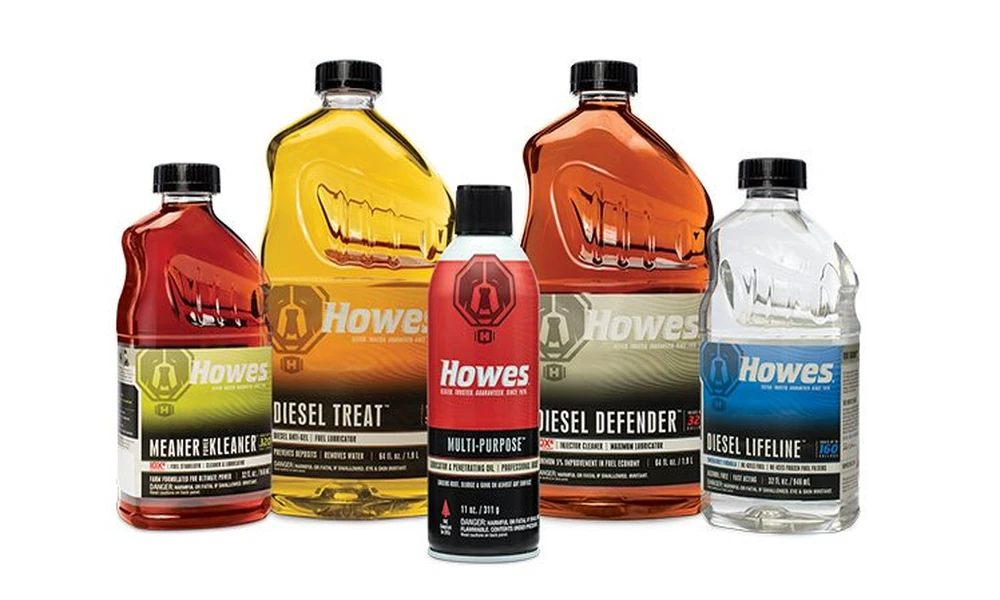
Howes is a long-established maker of diesel treatments with a lineup that fits daily driving, winter prep, and emergencies. Here is how I would think about their core options and where each one fits.
For year-round cleaning and protection: Howes Diesel Defender
Use Diesel Defender as your everyday baseline. It targets internal injector deposits with a strong detergent package and raises lubricity to help protect pumps and upper cylinders. Cleaner injectors support smoother response and more complete combustion, which can help your engine run more consistently.
It also separates water from fuel so your filter can capture it. The formula contains no alcohol or harmful solvents, and it works with modern emissions systems. They promote a guaranteed fuel economy gain when used regularly, which lines up with what I expect from cleaner injectors and better lubricity.
How to use it: Add at fill-up and stay consistent. Make it part of your fueling routine rather than a once-in-a-while fix.
For cold weather prevention: Howes Diesel Treat
Diesel Treat is your winter plan. It prevents gelling, reduces cold filter plugging, and adds lubricity. It also helps limit new injector deposits and supports a steadier idle in the cold. The formula stays safe for emissions equipment and contains no alcohol.
If you operate in freezing conditions, treat before the cold arrives. They back this product with a Winter Tow Guarantee when used as directed, which shows a high level of confidence in cold weather performance.
How to use it: Start treating when temperatures trend down. Keep using it through the season, especially if you park outside.
For emergencies after a gel event: Howes Diesel Lifeline
If fuel already gelled or your filter iced up, Diesel Lifeline is the rescue bottle. It reliquefies gelled fuel, defrosts frozen filters, and restores flow, often within minutes. Keep one bottle in the truck during cold months to avoid a long roadside stop.
How to use it: Follow the directions when you have a no-start or no-flow event. It is not a routine additive. It is insurance for winter.
For a deeper clean cycle: Meaner Power Kleaner
If your engine shows signs of heavy deposits or sluggish response, run a stronger cleaning cycle. Meaner Power Kleaner is built for tougher buildup that can hold back performance. Use it as a periodic clean-up, then return to Diesel Defender for maintenance.
How to Use Additives the Right Way
A good product will not help if the routine is a mess. Here is a simple plan you can keep:
1. Pick one daily product. Use Diesel Defender for year-round protection and cleaning.
2. Switch to winter prevention. In cold months, pair Diesel Defender with Diesel Treat, or move solely to Diesel Treat if your climate stays below freezing.
3. Keep an emergency bottle. Store Diesel Lifeline in the cab during winter.
4. Dose correctly. Follow treat rates on the label. Do not guess.
5. Track results. Note idle quality, throttle response, and any change in economy over two or three tanks.
6. Maintain your filter. Additives help, but a plugged or waterlogged filter still needs attention.
Common Mistakes to Avoid
- Waiting until problems show up before you start a routine
- Mixing several brands at once
- Overdosing to chase quick results
- Using summer fuel without anti-gel during a cold snap
- Ignoring water in the separator
Why I Suggest Howes for Most Drivers
They focus on practical goals that matter every day: injector cleaning, lubrication, water control, and cold weather reliability. Their formulas avoid alcohol and harsh solvents, which I prefer for long-term fuel system health. The compatibility across diesel and biodiesel blends, plus modern emissions systems, makes planning simple for mixed fleets and personal vehicles.
They have been at this for more than a century, with field-tested products that cover routine maintenance, winter prevention, and emergency rescue. Their guarantees, including the Winter Tow Guarantee on Diesel Treat and a satisfaction guarantee across the lineup, show strong support behind the products.
The Bottom Line
- Use Diesel Defender every fill for cleaning and lubricity.
- Add Diesel Treat as temperatures drop for anti-gel protection.
- Keep Diesel Lifeline on board for emergencies.
- Run a deeper clean with Meaner Power Kleaner if performance has slipped.
Set this up once, keep your dosing steady, and your diesel will thank you with smoother starts, consistent power, and fewer surprises through the year.