
Introduction
Spend enough time around classic car circles and you’ll notice Shelby Mustangs get talked about almost like a separate breed entirely, not just a trim level bolted onto a regular car. That reputation comes from real, physical differences built into these cars from the very start, changes that went well beyond badges and paint. Looking at what actually set them apart from a standard Mustang shows why the Shelby name still carries so much weight today.
The appeal of a Shelby Mustang comes from the engineering and purpose behind the car, not simply its distinctive appearance. Early Shelby models received changes to the suspension, brakes, chassis, engine, and bodywork that helped improve their performance compared with standard Mustangs. These modifications were influenced by racing requirements and gave the cars a more focused character on the road and track. For enthusiasts and collectors, understanding these mechanical and historical differences helps explain why Shelby models remain such an important part of Mustang history.
Built Outside the Regular Assembly Line
Early Shelby Mustangs didn’t come together the same way a standard model did. Ford shipped base Mustangs to Shelby’s own facility, first in Venice Beach and later at Los Angeles International Airport, where they were stripped down and rebuilt with Shelby-specific modifications before ever reaching a customer. That separate build process alone set these cars apart from anything rolling off a standard Ford assembly line.
Distinct Styling Cues That Went Beyond Badging
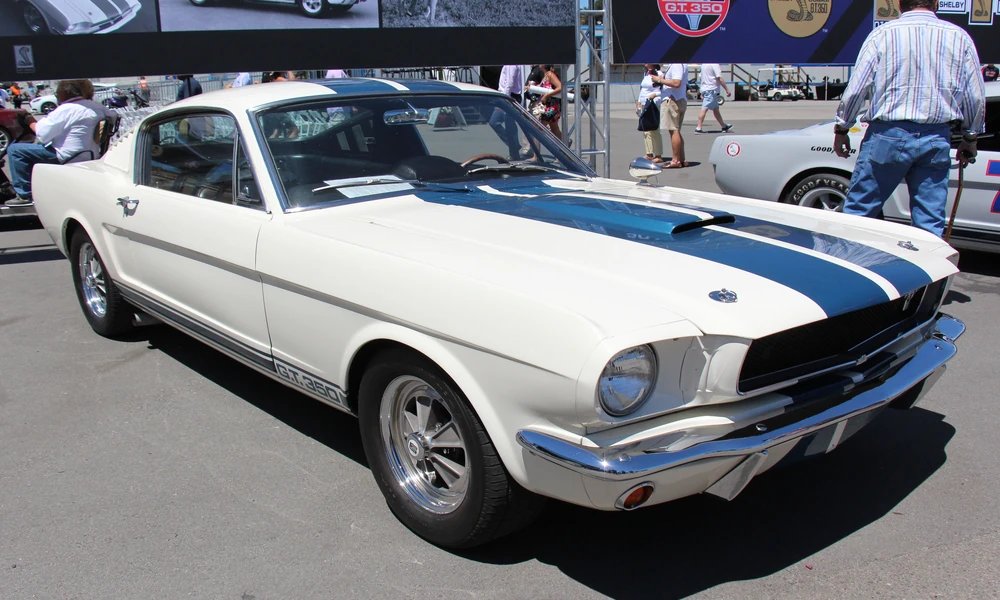
Shelby models carried their own visual identity, from unique hood scoops and racing stripes to distinctive taillights and altered grilles that made them instantly recognizable next to a standard Mustang. These weren’t cosmetic afterthoughts either, several of the styling changes served functional purposes, like improved engine cooling or reduced weight, tying form directly to performance rather than just appearance.
Suspension and Chassis Work Most Buyers Never Saw
Underneath the styling, Shelby models received suspension modifications, upgraded brakes, and chassis reinforcements that a standard Mustang buyer simply didn’t have access to. These changes were aimed squarely at making the car handle predictably at speed and under hard braking, exactly the kind of demands a standard street Mustang was never really built to handle in the first place.
A Focus on Racing Credibility From Day One
Unlike the standard Mustang, which was designed with everyday drivers in mind, the original Shelby GT350 was built specifically to compete in SCCA B/Production racing. That racing pedigree shaped every decision, from the lightweight materials used to the tuning of the small-block V8, giving the car a genuinely different purpose than the Mustangs sold to the general public.
A Reputation That Outlasted the Original Program
Carroll Shelby stepped away from active involvement with the Mustang program by 1969, and Ford eventually took the design work in-house for later Shelby models. Even so, the reputation those early GT350 and GT500 builds established has carried the Shelby name through decades of revivals, each new generation still measured against the standard those original, hand-built cars set.
Conclusion
The differences between a Shelby Mustang and a standard model run a lot deeper than a stripe package or a badge on the fender. From a separate build process to real chassis and suspension changes rooted in genuine racing ambition, Shelby Mustangs were engineered with a distinct purpose in mind from the very beginning. That depth of difference is exactly why the Shelby name has held onto its reputation for genuine performance credibility for so many decades.